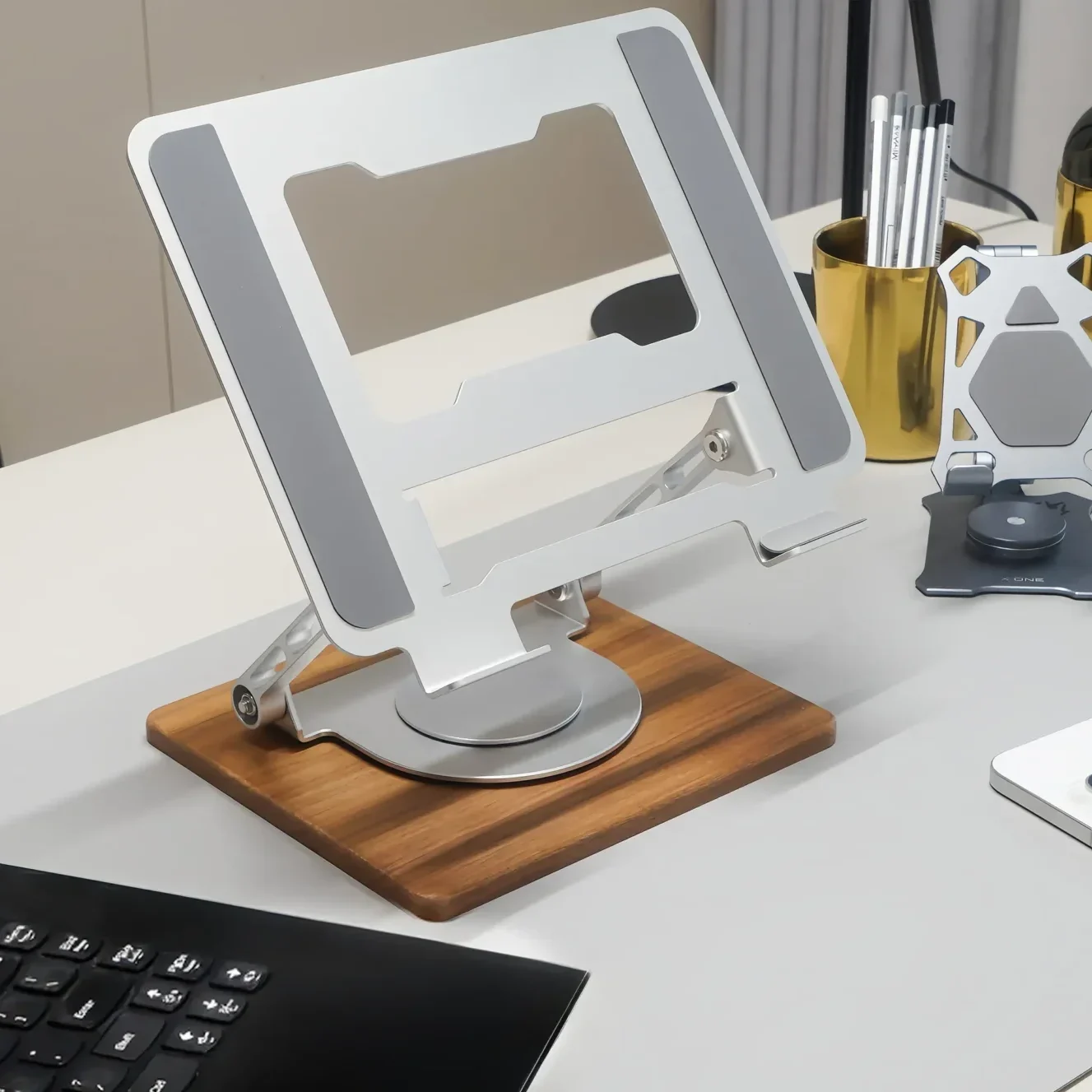
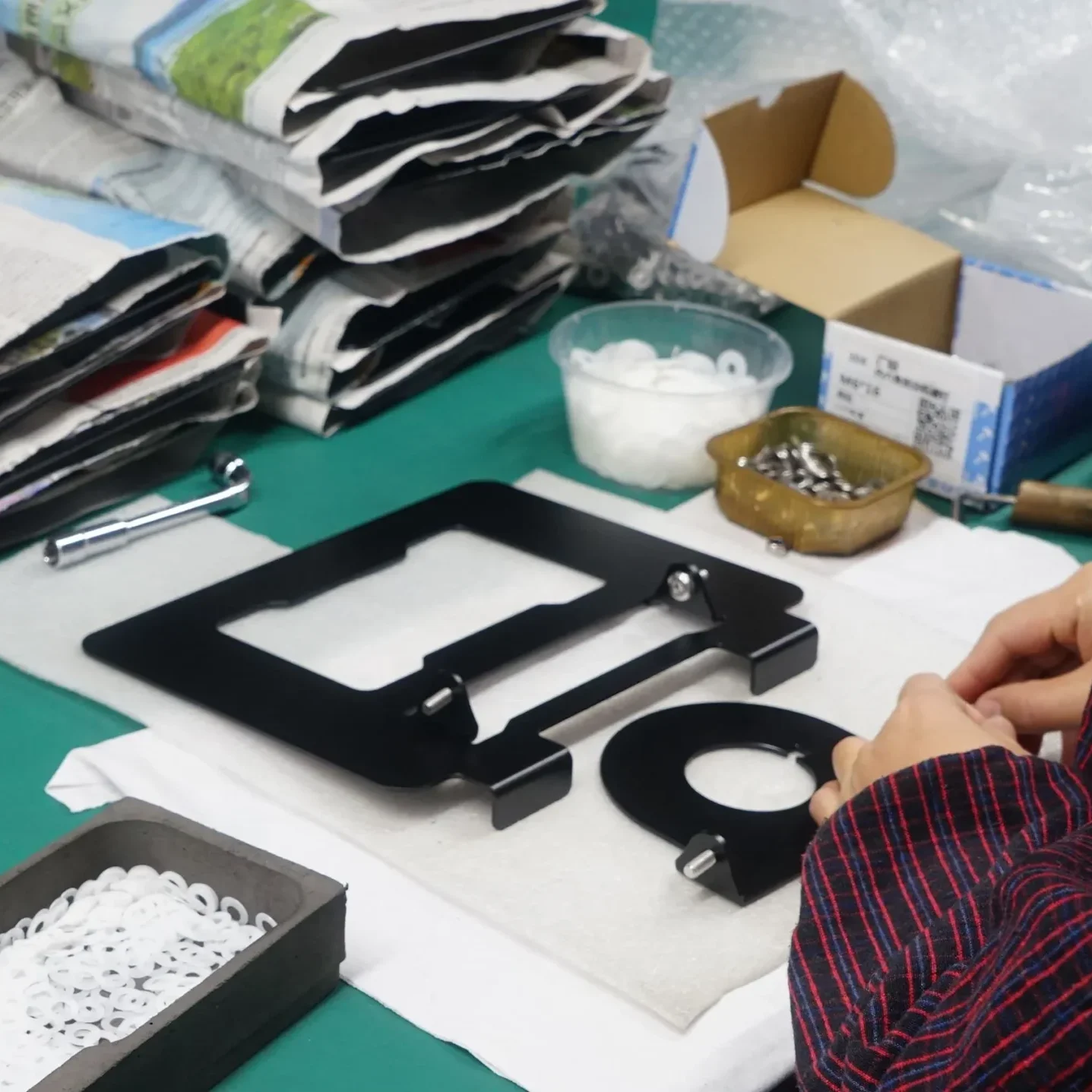
When your brand decides to launch a new line of device accessories — whether it’s a magnetic phone stand, an ergonomic laptop riser, or a foldable desktop holder — one question quickly becomes the most critical: who is going to manufacture it?
Choosing the right OEM partner is not just about price. It’s about quality consistency, material expertise, regulatory compliance, and the ability to scale from your first prototype to mass production without surprises. In this guide, we walk through how to evaluate, select, and collaborate with a custom stand manufacturer, drawing on proven industry practices.
Why the Right Manufacturer Makes or Breaks Your Product Line A device stand looks simple. But behind a single product are decisions about aluminum alloy grades, silicone durometer, anodizing thickness, mold design, packaging, and logistics. A manufacturer that only offers off-the-shelf options limits your brand’s ability to differentiate. A true OEM/ODM partner, by contrast, gives you control over:
Material Selection — aluminum, stainless steel, carbon steel, ABS/PC, silicone, wood, or carbon fiberSurface Finishes — anodizing, powder coating, electroplating, brushing, sandblasting, laser engravingColor Matching — Pantone or RAL custom colors to match your brand identityLogo Application — pad printing, silk screen, embossing, or laser etchingPackaging — from plain brown boxes to full-color retail-ready packaging with your brandingThat level of customization is what transforms a generic product into a branded asset. And it starts with having a manufacturer that genuinely supports OEM/ODM from day one.
Define Your Material and Finish Requirements Before contacting any factory, get clear on the base material your product needs. Each material carries different implications for cost, durability, weight, and perceived quality.
A capable manufacturer should be able to walk you through the pros and cons of each material and send physical samples so you can compare weight, texture, and finish quality firsthand.
Verify Certifications Before You Commit Trust is built on proof, not promises. Before placing any order — especially if you’re importing into the European or North American market — verify that the factory holds up-to-date certifications relevant to your product.
Quality management certifications: ISO 9001:2015 — the foundational quality management standard. A factory without it is a red flag.ISO 14001:2015 — environmental management, increasingly required by European buyers.ISO 45001 — occupational health and safety, signals a well-managed workplace.Product compliance certifications (by market): For Europe: CE (if the stand has electronic components like wireless charging), RoHS and REACH (for all stands — restricts hazardous substances)For the U.S. : FCC (for stands with wireless/RF functionality), California Prop 65 (required by many U.S. retailers)For other markets: UKCA (UK), KC (Korea), PSE (Japan)
Social compliance audits: BSCI — the most widely accepted social audit in Europe. Even a B or C grade demonstrates a factory’s commitment to ethical labor practices.Sedex / SMETA — favored by UK retailers like Tesco.Ask for copies of these certificates and check their validity dates. A transparent factory will share them without hesitation.
Understand MOQ, Pricing, and Lead Times One of the biggest friction points in OEM partnerships is the MOQ (Minimum Order Quantity). As a brand launching a new product, you may not want to commit to 3,000 units right away. Here is what’s realistic:
Mass production MOQ: Typically 500–1,000 units per color/SKU, depending on the product complexity and material.Prototyping/sample MOQ: Some factories accept small-batch orders (50–100 units) for initial market testing. Always ask about this upfront.Sample lead time: 5–10 working days for existing designs; 10–20 working days for fully custom samples.Mass production lead time: 25–40 working days, depending on order volume and the complexity of finishes or packaging.Be wary of quotes that seem dramatically lower than the market average. On a custom aluminum phone stand, the per-unit cost is driven by material thickness, anodizing steps, packaging, and QC rigor — not just raw metal price.
Start with a Prototype, Not a Purchase Order Even if a factory’s portfolio looks perfect, your first order should always be a prototype run or a small pilot batch. This serves several purposes:
Validate the physical sample — How does it feel in hand? Are the edges smooth? Is the anodizing color consistent with your Pantone reference?Test packaging durability — Will the product survive shipping without scratches?Assess real lead times — Did the factory deliver on their promised timeline?Evaluate communication — Were they responsive, proactive, and clear?The prototyping phase is the cheapest opportunity to catch problems before they scale across thousands of units.
Evaluate Communication and Project Management A technically competent factory with poor communication will cost you more in the long run than a slightly more expensive one that responds within 24 hours. During the quoting and sampling phase, pay attention to:
Do they ask clarifying questions about your design, or do they just say “yes” to everything? Can they provide engineering feedback — for example, suggesting a structural improvement that reduces mold cost? Is there a dedicated project manager or point of contact, or do you get bounced between departments? Do they share production progress updates proactively, including photos from the line? Language capability also matters. If you’re an English-speaking brand, the factory should have at least one fluent English liaison on the sales or project management team.
Plan for Quality Control and Logistics Once you move into mass production, two processes keep everything on track:
Quality Control:
Insist on an AQL (Acceptable Quality Level) sampling plan — typically AQL 2.5 for consumer goods Ask for in-line QC reports, not just final inspection reports If possible, hire a third-party inspection service (such as SGS, Bureau Veritas, or TÜV) to conduct pre-shipment inspections independently Logistics:
Clarify Incoterms upfront. FOB (Free on Board) is standard for most Chinese manufacturers, meaning you handle shipping from the port onwards For smaller orders, DDP (Delivered Duty Paid) may be simpler Ask about their standard shipping partners and typical transit times to your target market Conclusion: Partner, Don’t Just Purchase The difference between a satisfactory product launch and a costly supply chain headache often comes down to one thing: treating your manufacturer as a strategic partner, not just a transactional supplier. The best OEM relationships are built on transparency, shared quality standards, and a genuine commitment to bringing your brand’s vision to life.
At Sento, we design and manufacture premium device stands — from phone holders and laptop risers to headphone stands and tablet docks — for global brands and businesses. With full OEM/ODM capabilities, ISO-certified quality control, and deep material expertise across aluminum, silicone, wood, and more, we help brands move from concept to delivery smoothly and reliably.